 SpeqForge
The platform
Everything a company does. Not everything a tool does.
Most products give you one of these and call it a platform. Here are all 46, in one account, sharing one set of customers, one balance and one audit trail.
Run the company
10The people, customers, money and mail that sit behind whatever you build.
 01
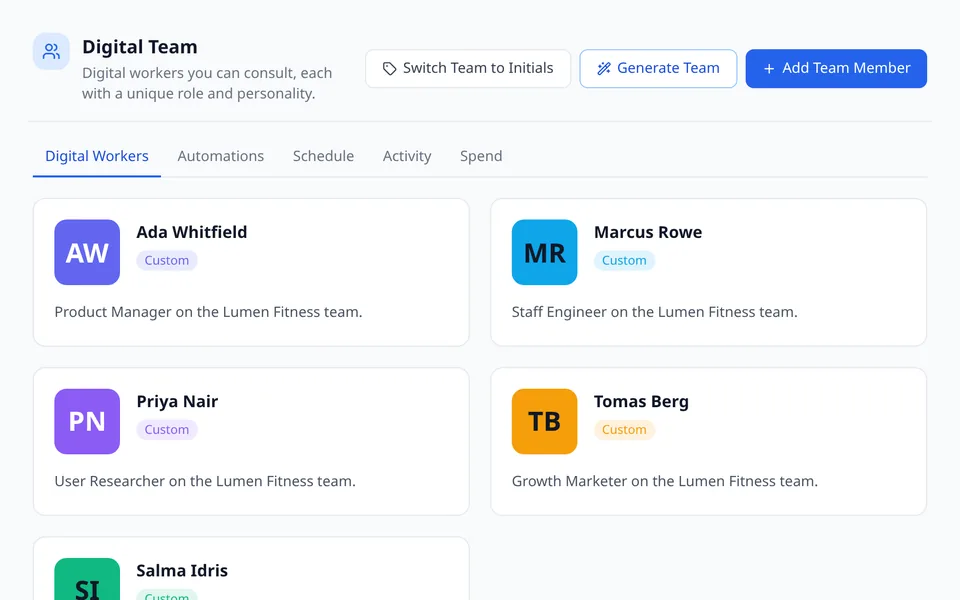
01Digital Team
Hire AI colleagues who hold a role, own recurring work and get on with it unattended.
 02
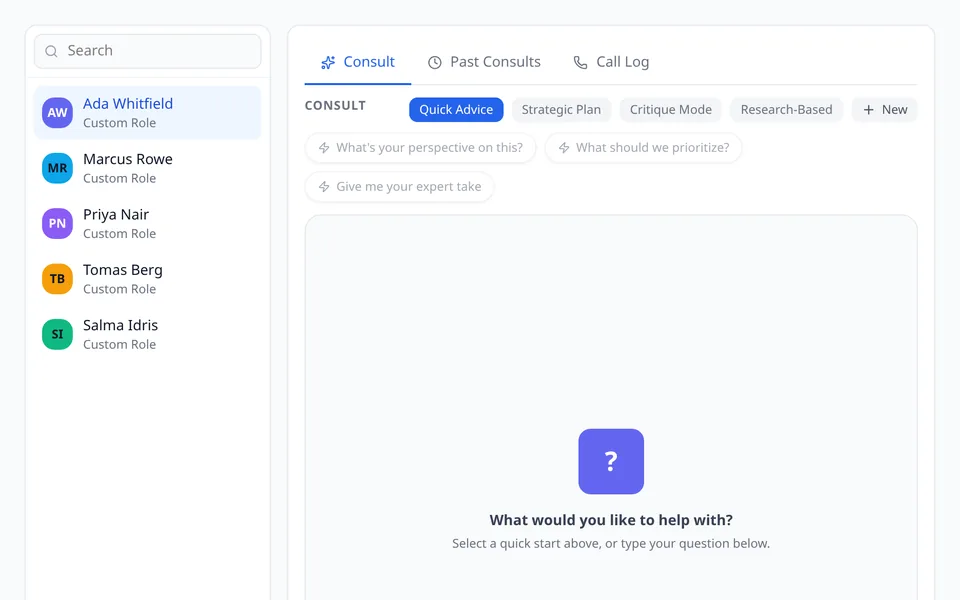
02Consult
Ask anyone on the team a question and get an answer grounded in one search across every board item, requirement, document and finding you own.
 03
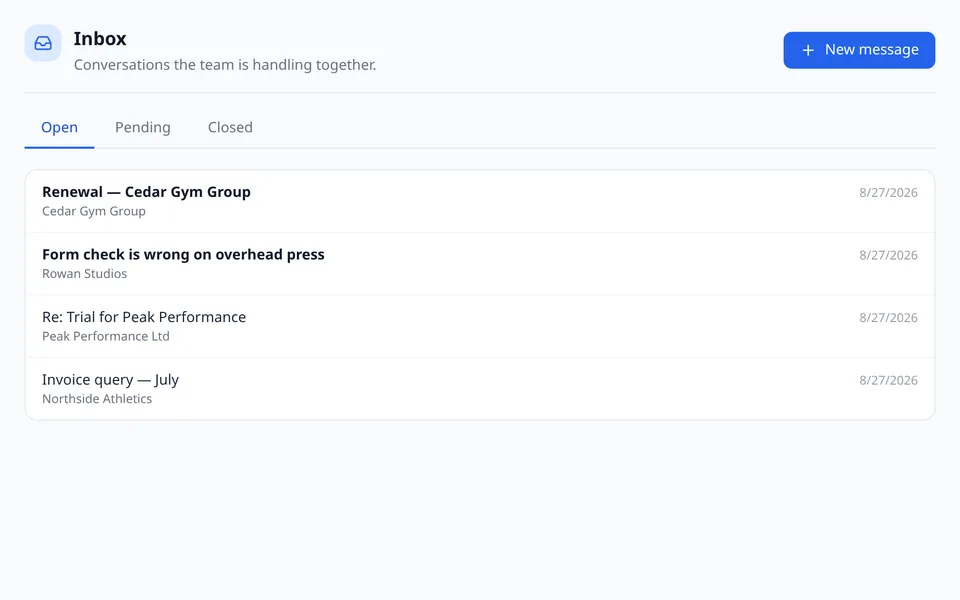
03Inbox
A real mailbox per employee, so they can be emailed and can email back.
 04
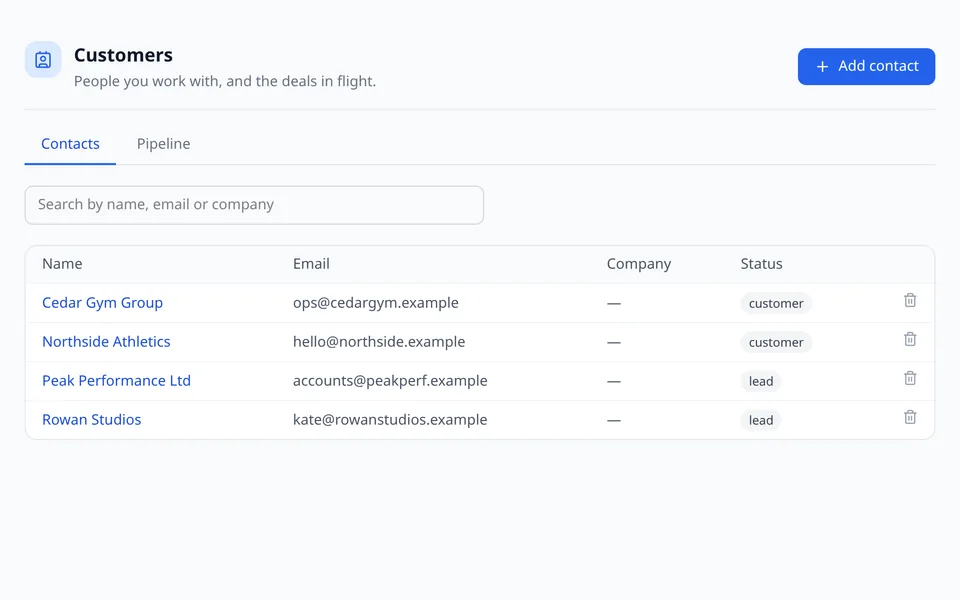
04Customers
Contacts, deals and every interaction, filled in from forms and bookings as they arrive.
 05
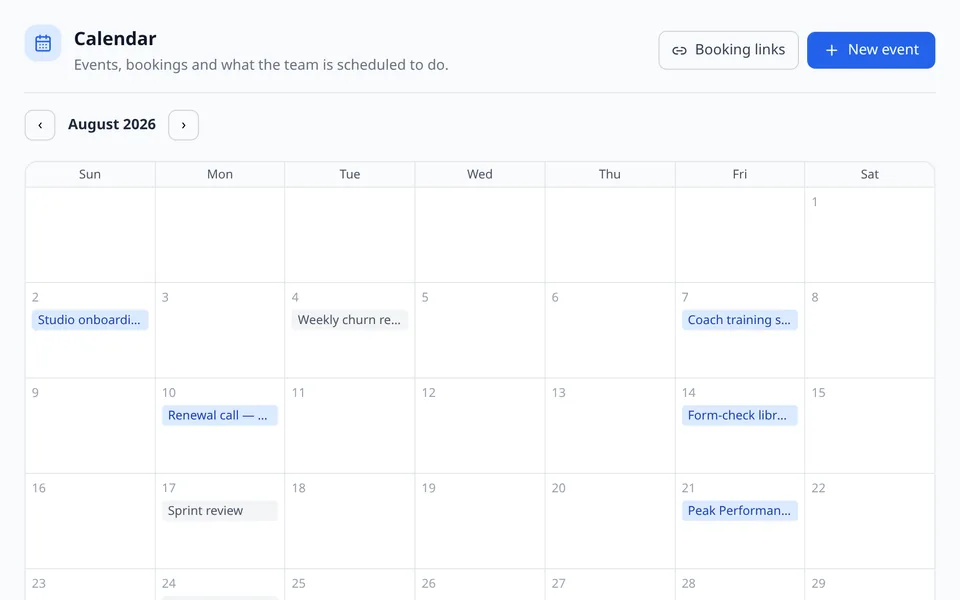
05Calendar
Bookable time that visitors can claim, re-checked at the moment they book it.
 06
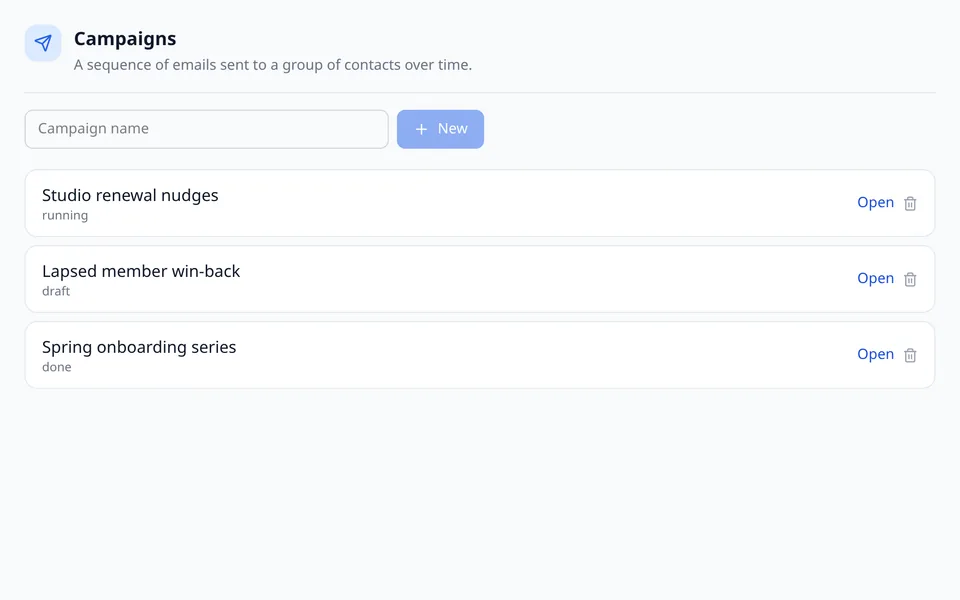
06Campaigns
Sequenced outbound email with unsubscribes honoured at send time and a hard daily ceiling.
 07
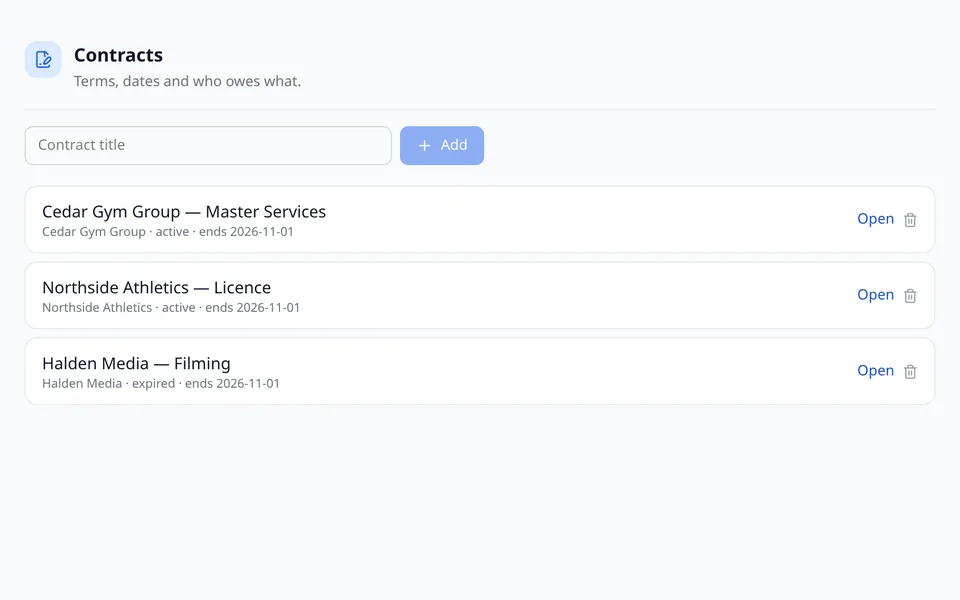
07Contracts
Upload an agreement and get its dates, obligations and renewals extracted and watched.
 08
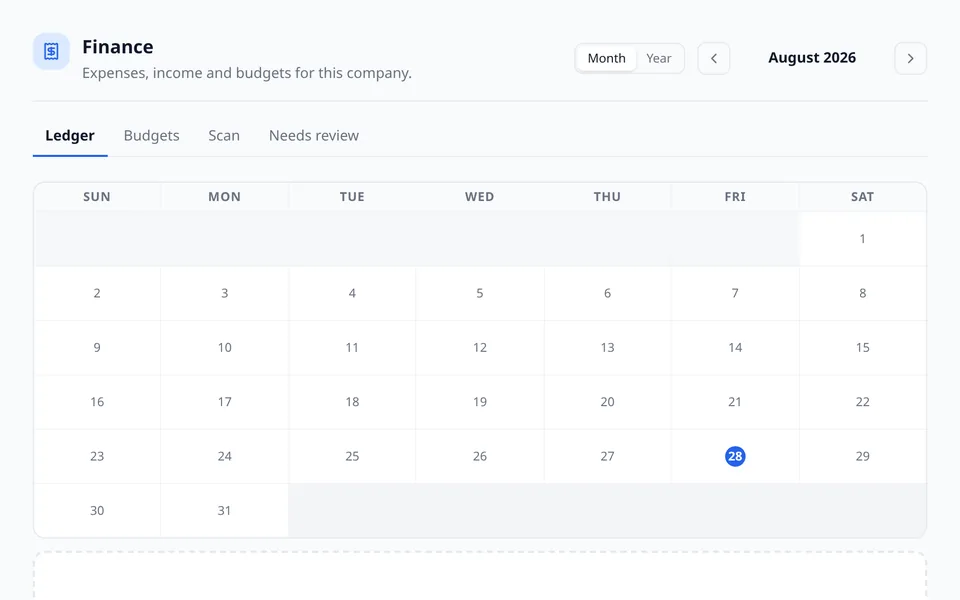
08Finance
Photograph a receipt or forward an invoice; it lands in a ledger that reconciles itself.
 09
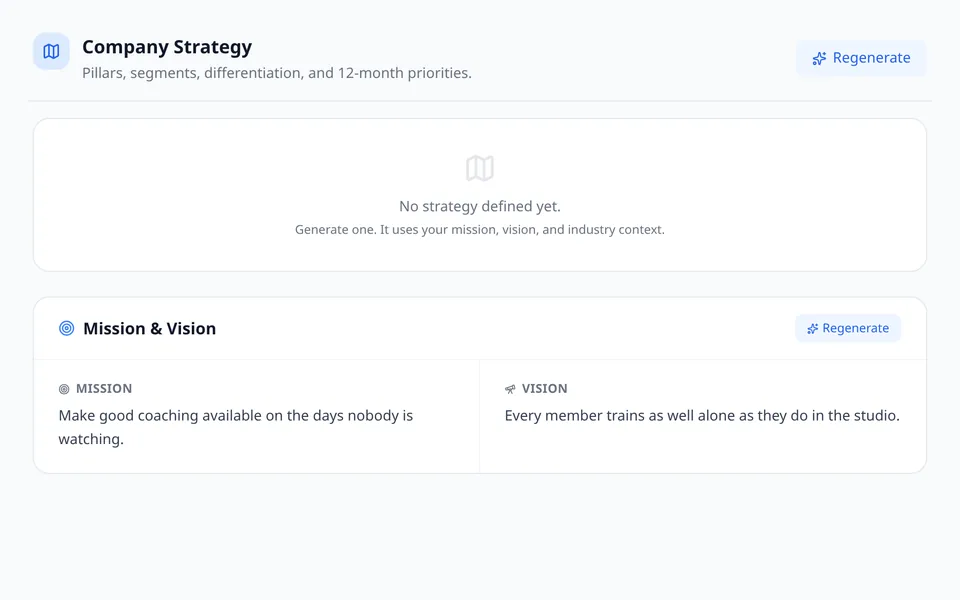
09Strategy
The mission, the market and the plan — written once, and read by everyone who works for you.
 10
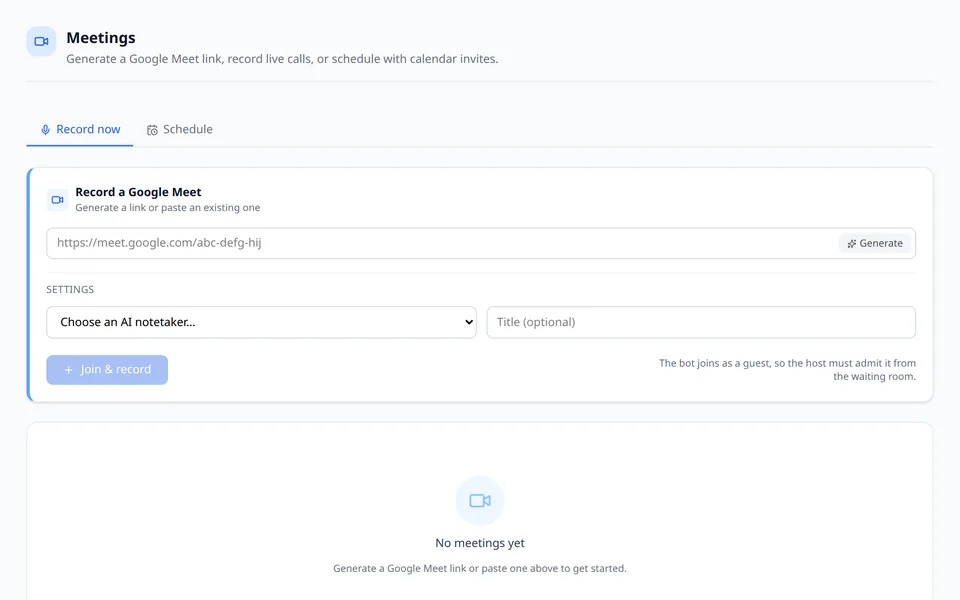
10Meetings
Send a notetaker into a call; get back a transcript that knows who said what.
Decide what to build
12The thinking that happens before anyone writes code — and the record of it.
 11
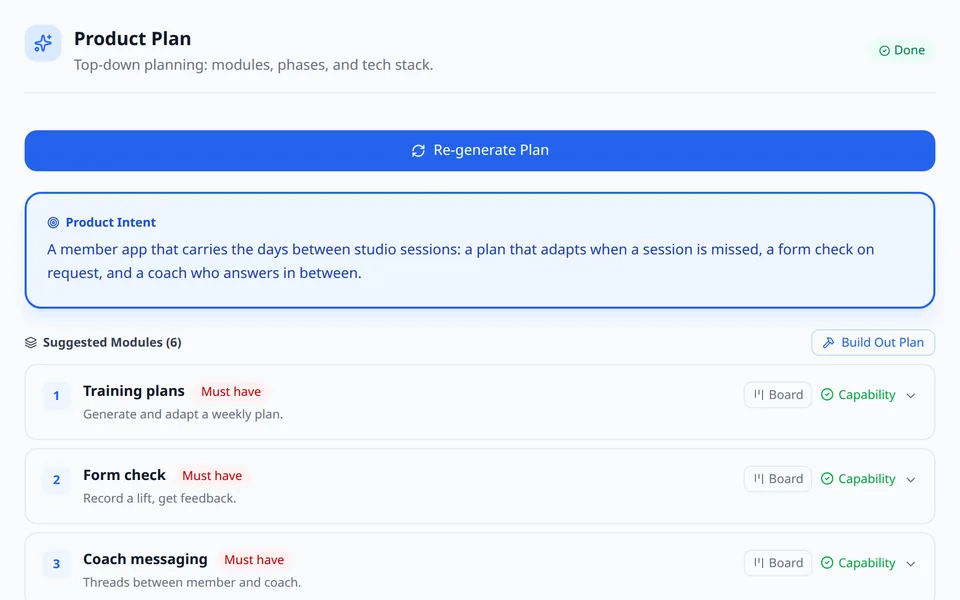
11Product Plan
Describe an idea in a sentence and get the whole definition chain drafted from it.
 12
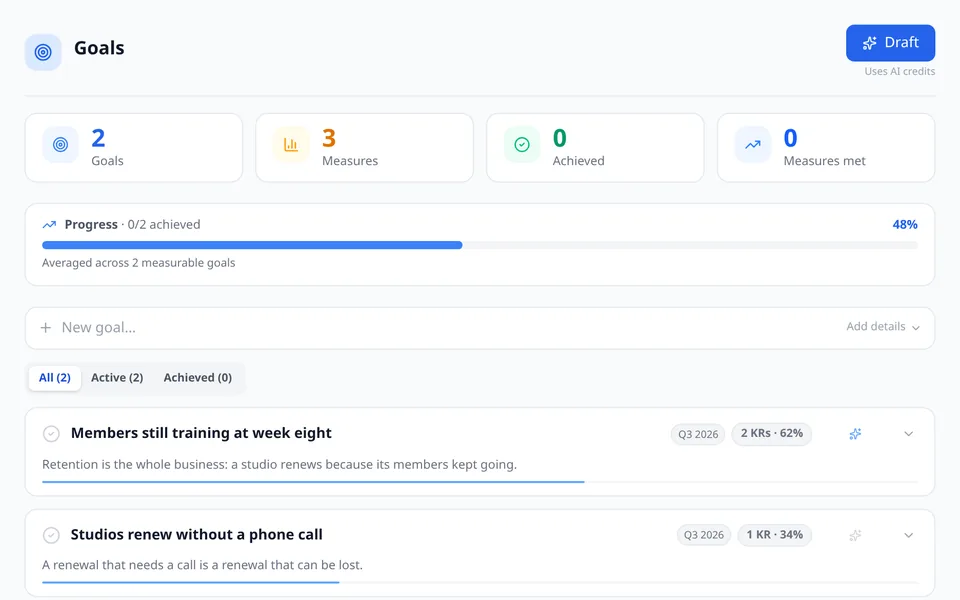
12Goals
Objectives with measurable results, and weekly milestones that keep them moving.
 13
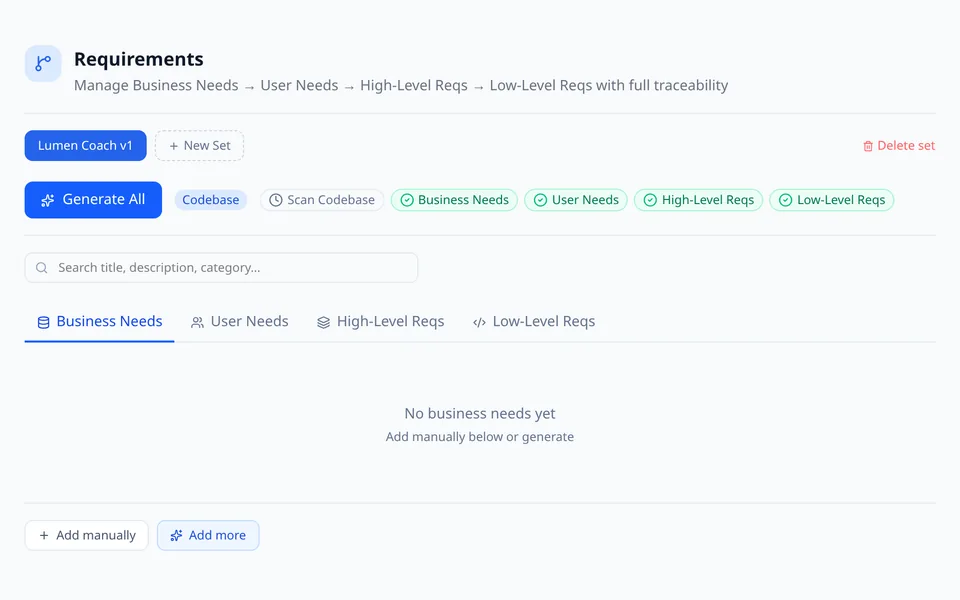
13Requirements
A tiered requirement tree, traceable from the top-level intent down to what verifies it.
 14
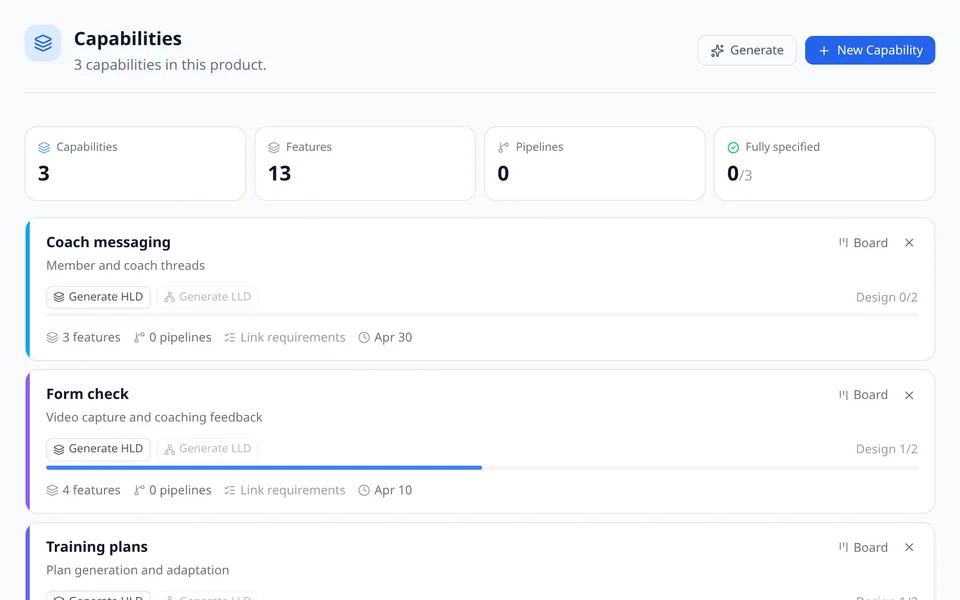
14Capabilities
The product broken into pieces that can be designed, built and checked independently.
 15
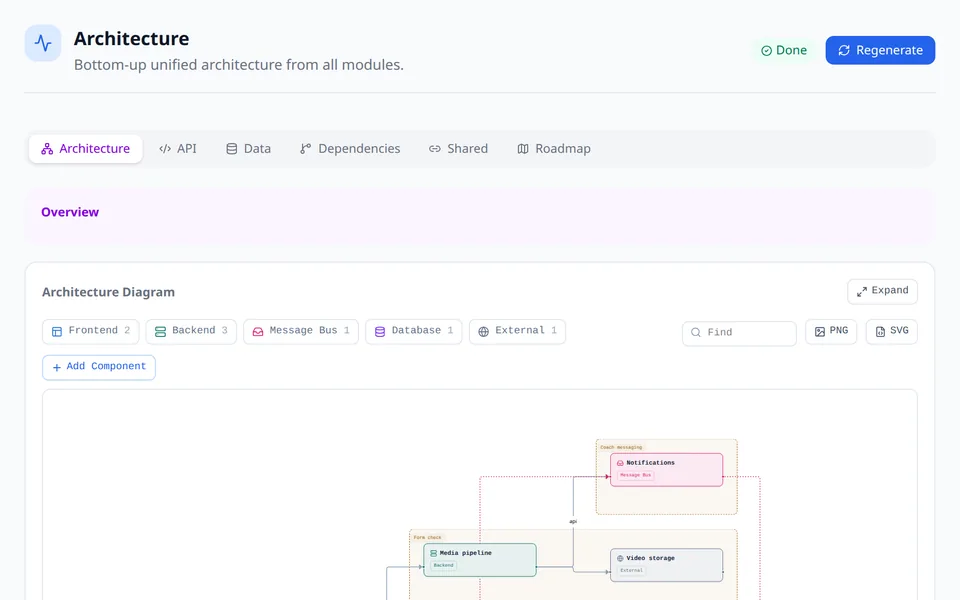
15Architecture
High- and low-level design per capability, then synthesised into one coherent picture.
 16
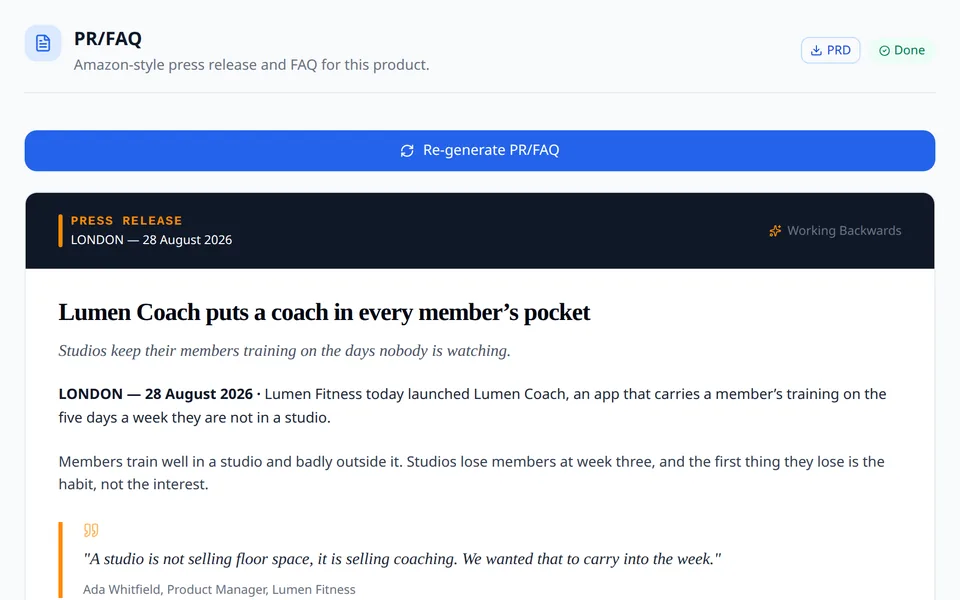
16PR/FAQ
The launch announcement written before the build, so you can tell if it is worth building.
 17
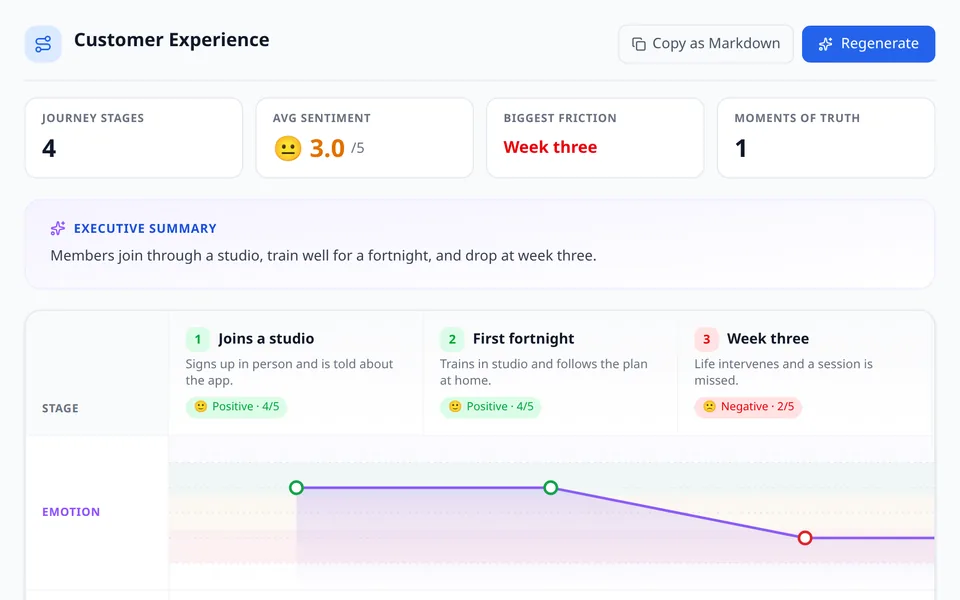
17Customer Experience
The path a customer actually takes, stage by stage, with the friction marked.
 18
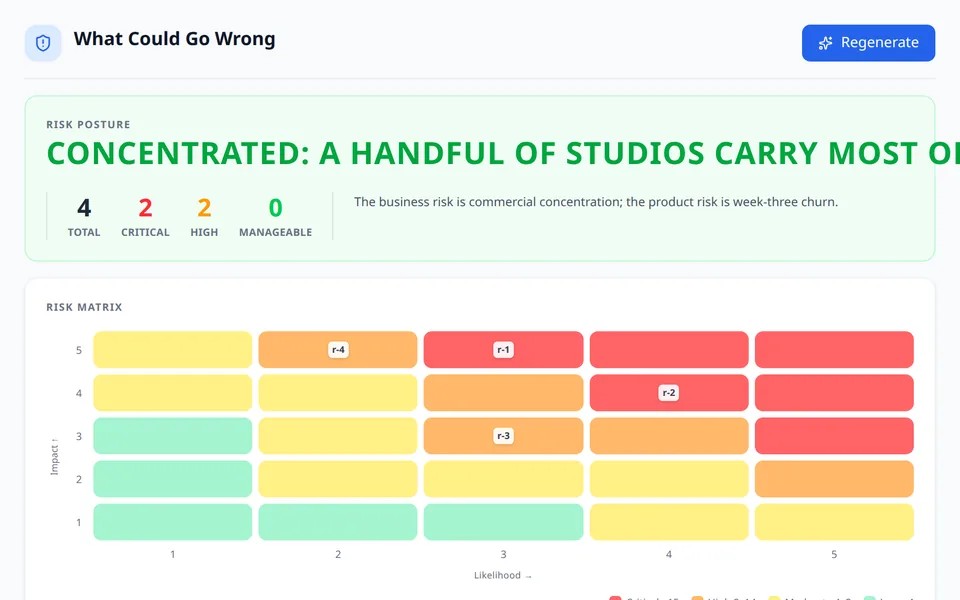
18What Could Go Wrong
Failure modes ranked by how badly they bite, before they get the chance.
 19
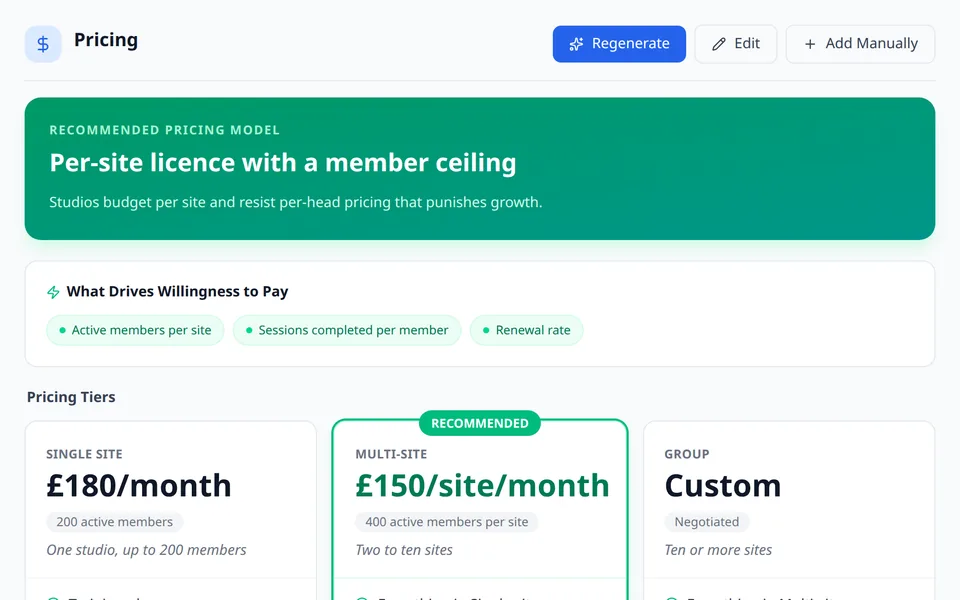
19Pricing
What to charge and why, argued from the market rather than picked out of the air.
 20
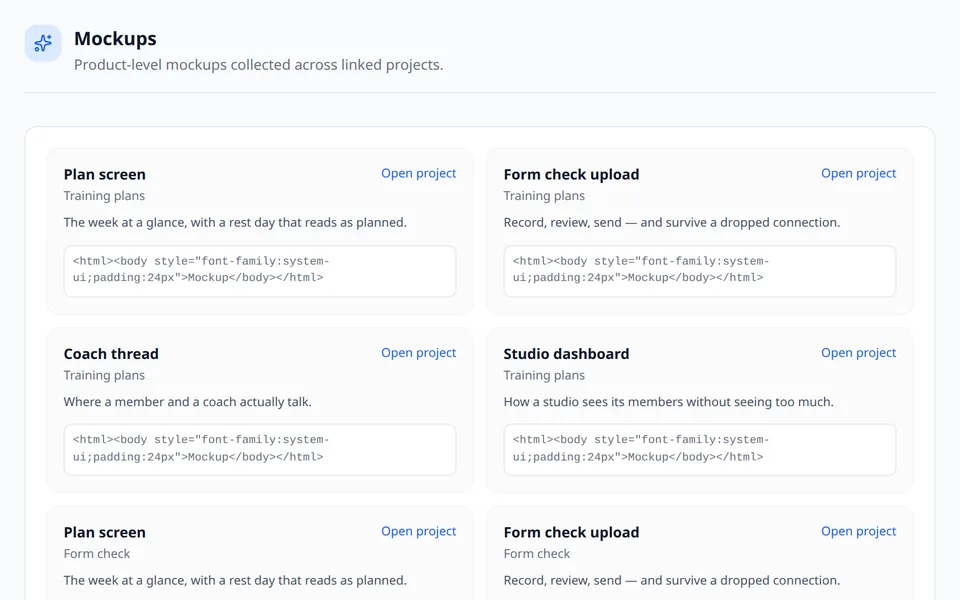
20Mockups
Generated screens you can look at and react to while the idea is still cheap to change.
 21
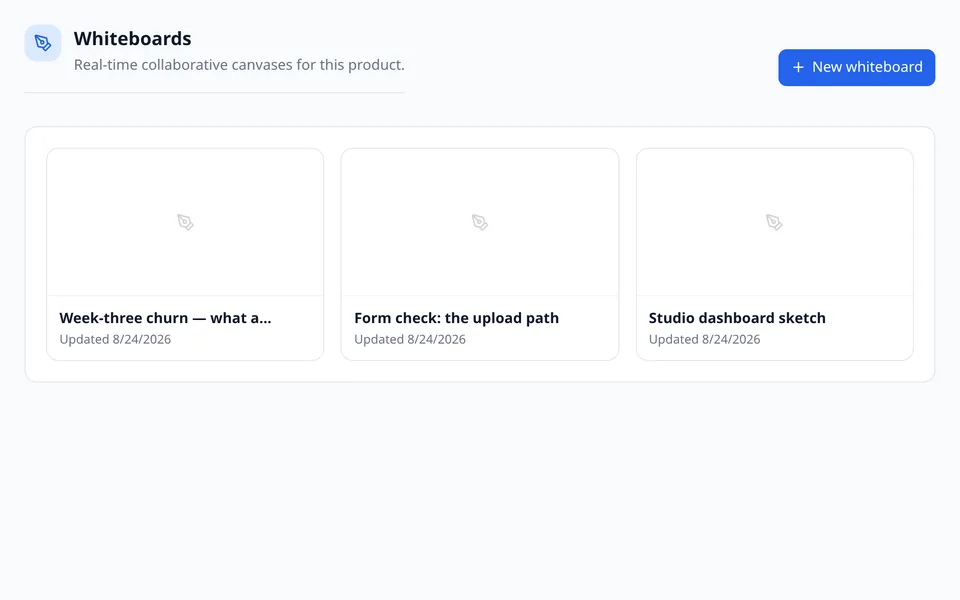
21Whiteboards
A shared canvas with a colleague who draws on it alongside you.
 22
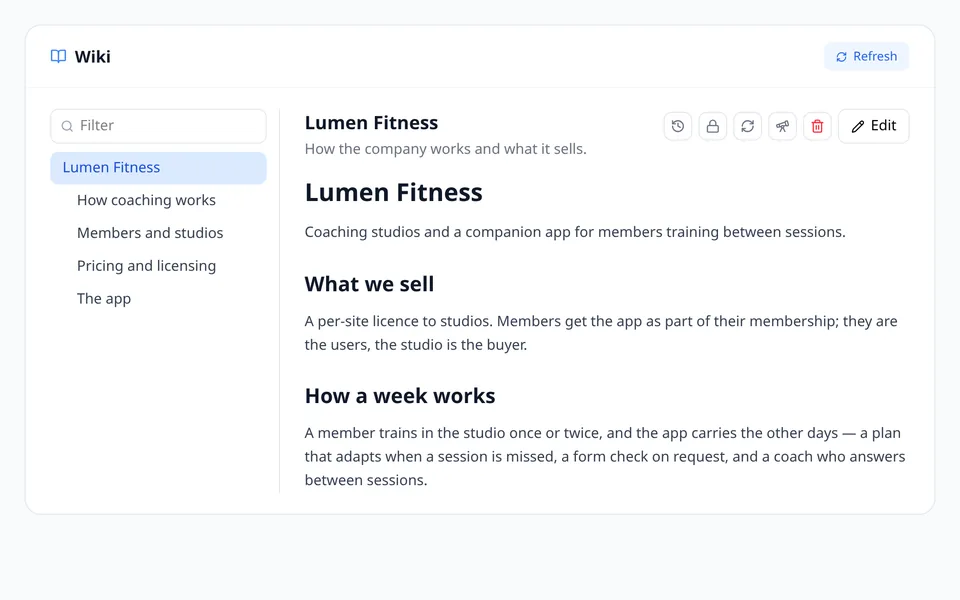
22Wiki
The written record everything else reads from, at both company and product level.
Build and ship it
08From a work item to a running, packaged application your users can install.
 23
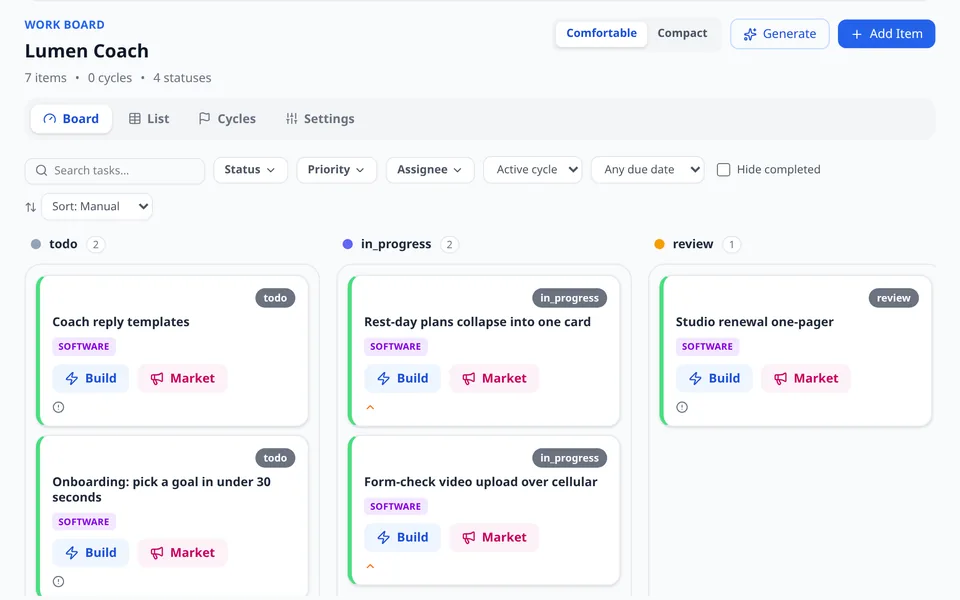
23Work Board
Epics, tasks and bugs written as briefs complete enough to hand to anyone — including a machine.
 24
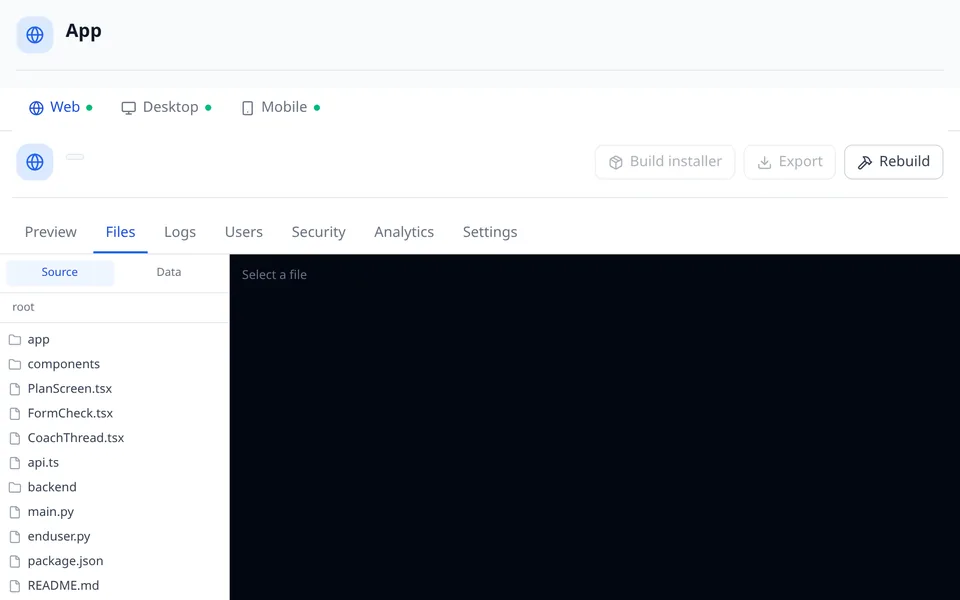
24Apps
Web, desktop and mobile applications built from the workboard, not from a chat.
 25
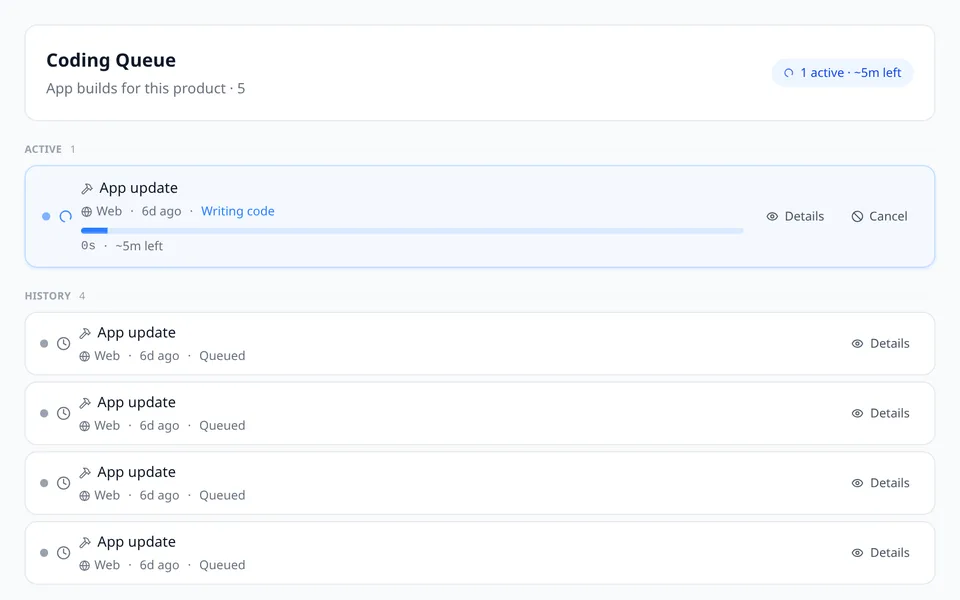
25Coding Queue
Work items queued for the coding agent, each one landing as a reviewable change.
 26
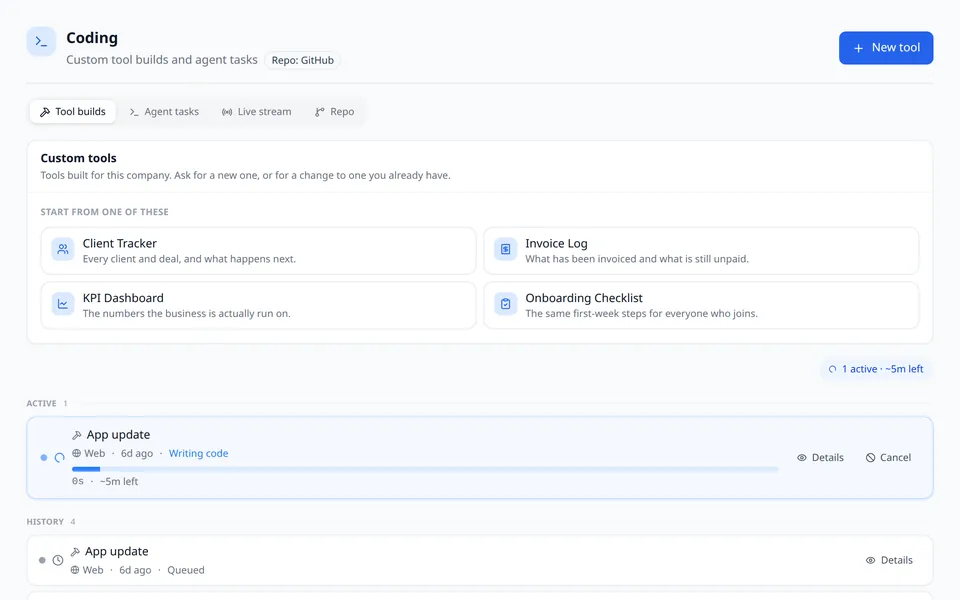
26Coding
Point the agent at your own repository and watch it work, step by step.
 27
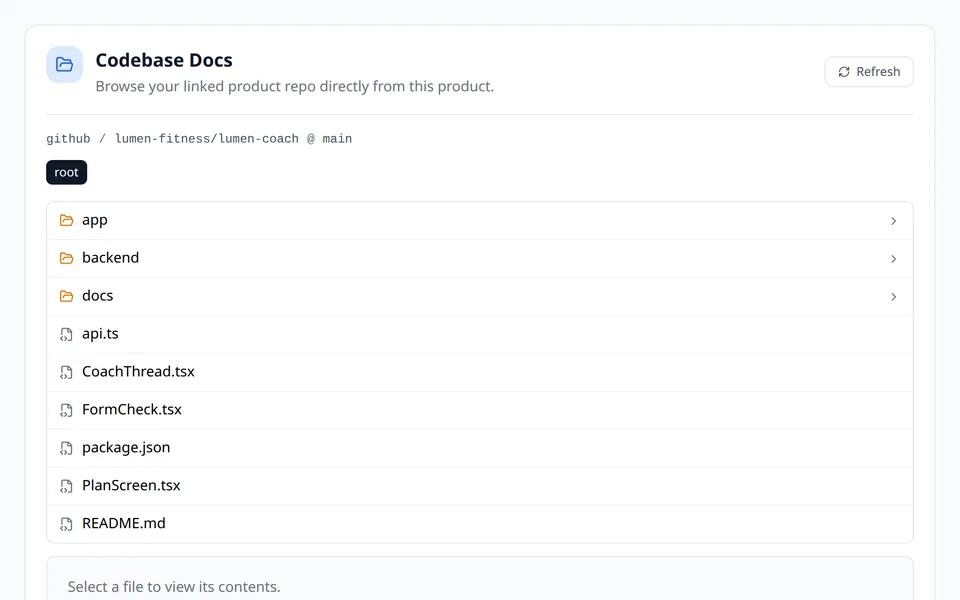
27Codebase Docs
Documentation derived from the code that exists, not the code someone meant to write.
 28
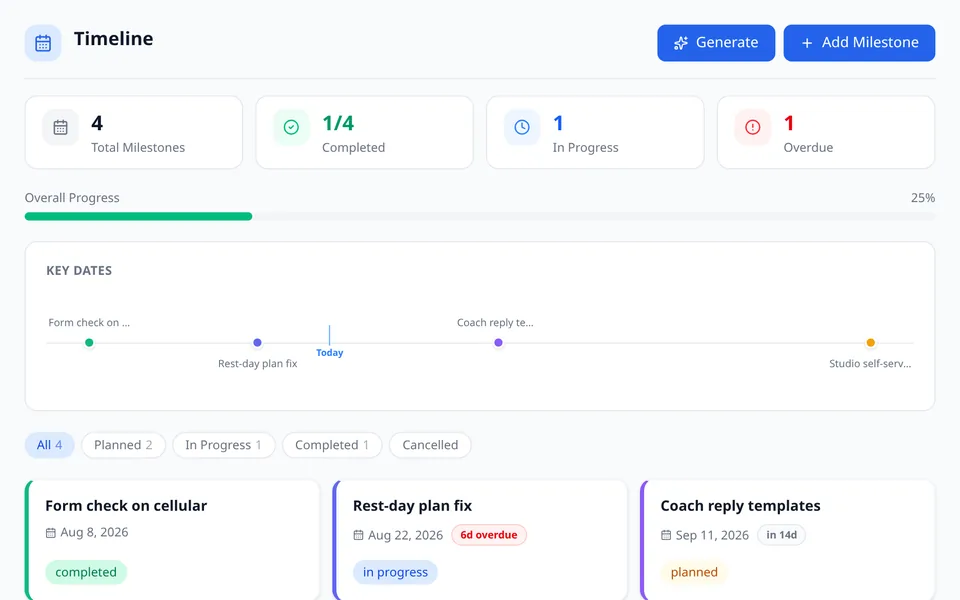
28Timeline
When the work lands, derived from the board rather than maintained beside it.
 29
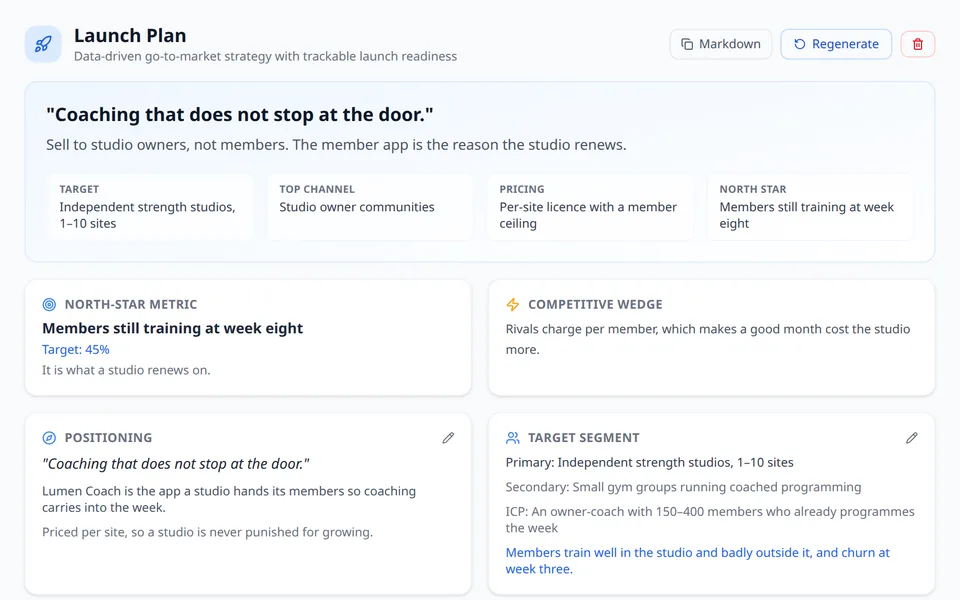
29Launch Plan
Channels, messages and the sequence to run them in, ready to hand to Campaigns.
 30
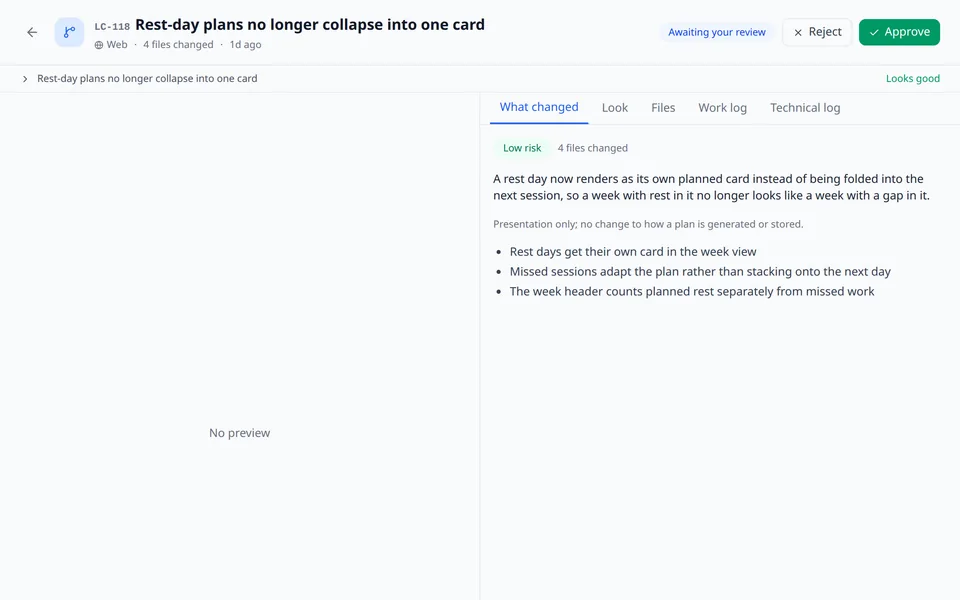
30Change Review
See what changed before it ships — and if you like it but not the look, pick a different one.
Run what you shipped
08Documents, forms, support, stock and the phone — the parts that keep going.
 31
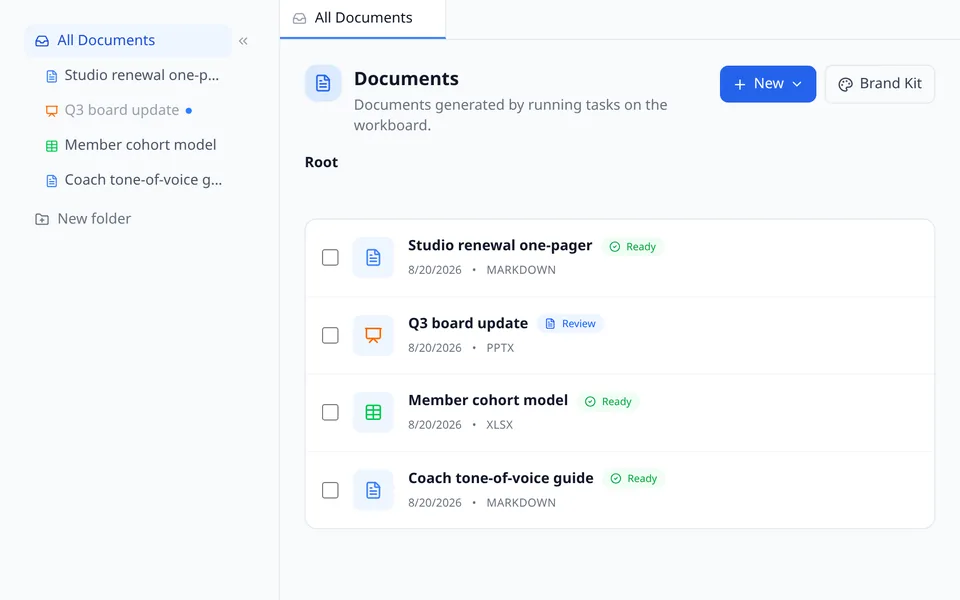
31Documents
Briefs, decks and marketing images generated from a work item and filed in folders.
 32
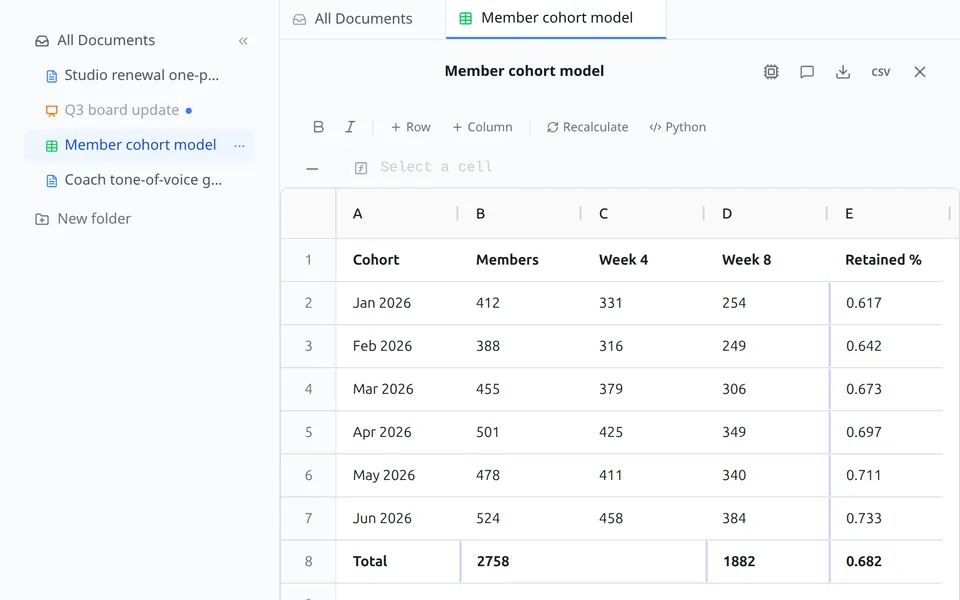
32Spreadsheets
Formulas that spill, plus your own Python functions sitting in the same autocomplete.
 33
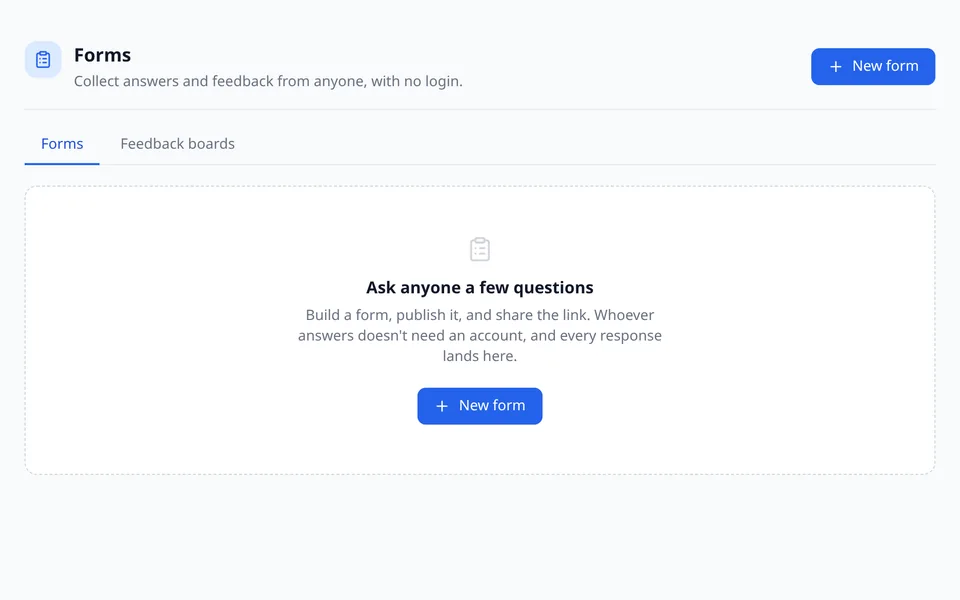
33Forms & Portals
Embeddable forms and public feedback boards — everywhere a non-member leaves you something.
 34
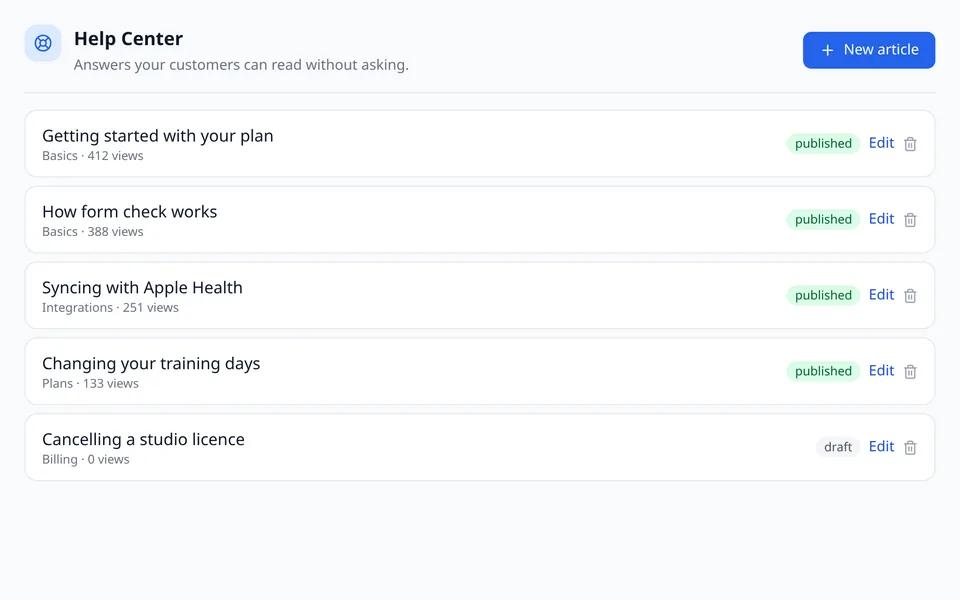
34Help Center
Published articles and an answer box that admits when it does not know.
 35
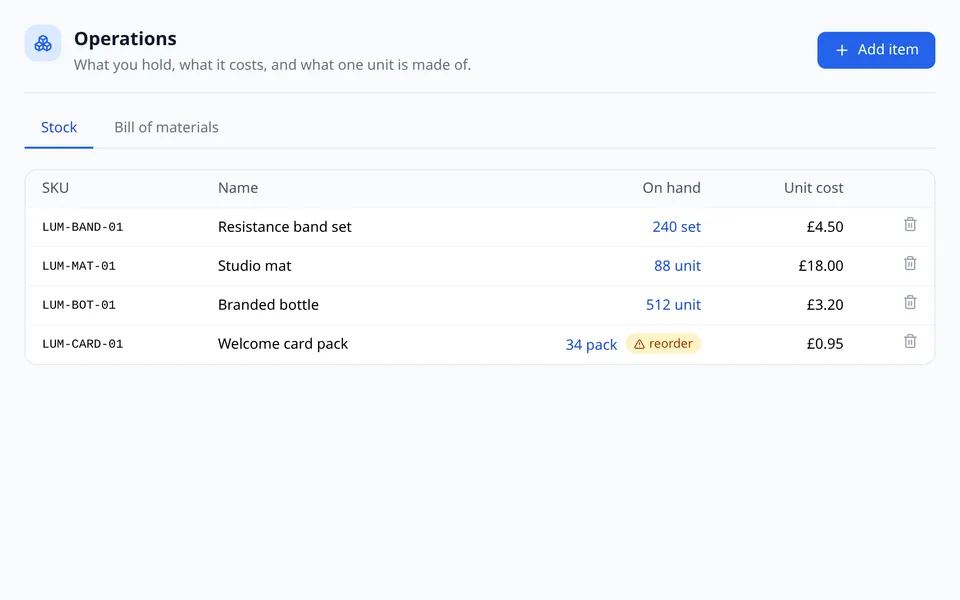
35Operations
Bills of materials and stock, where every number has a movement explaining it.
 36
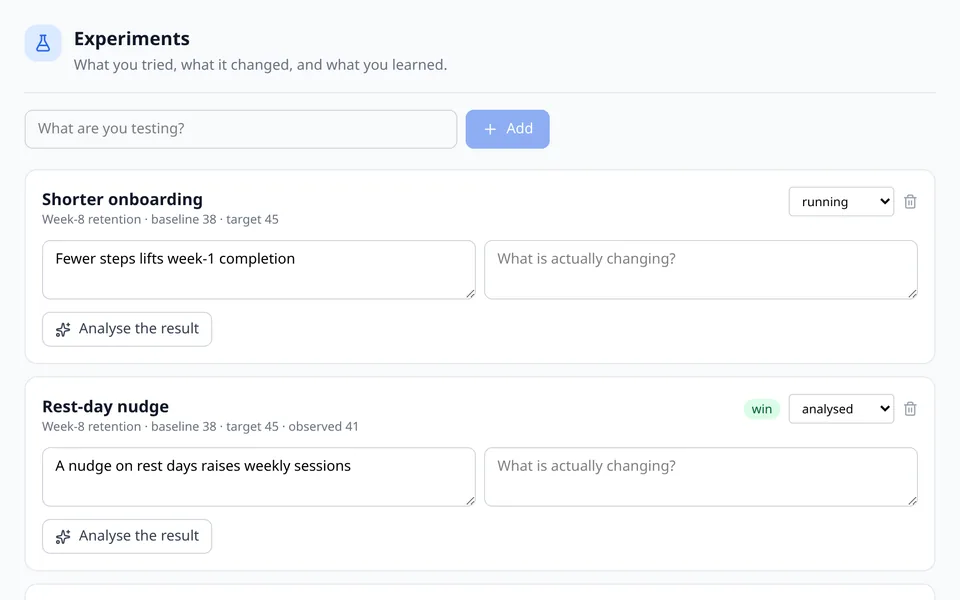
36Experiments
Record whether the bet paid, so the next decision has something to stand on.
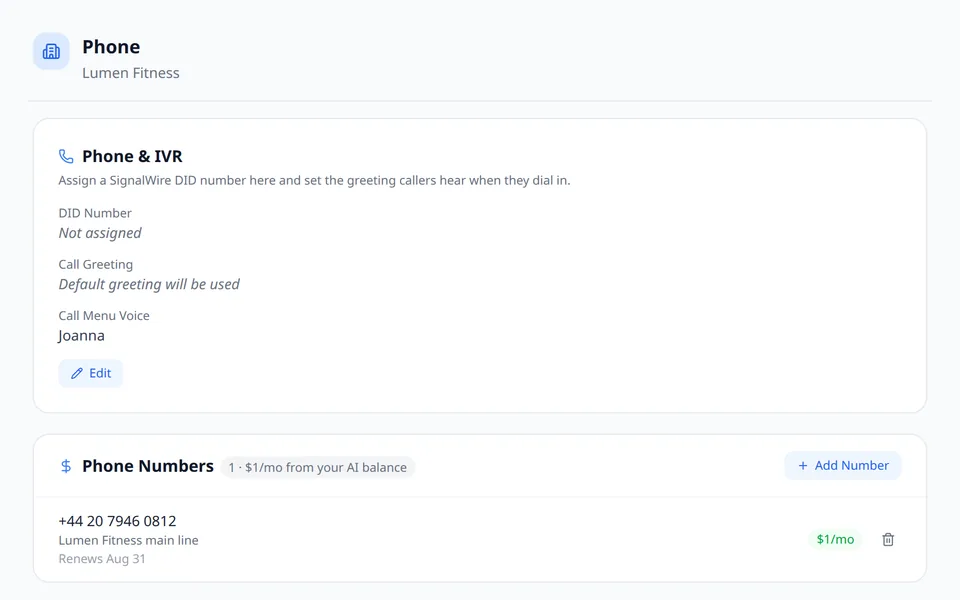 37
37Phone
A real number your team answers and calls out from, billed by the month from your balance.
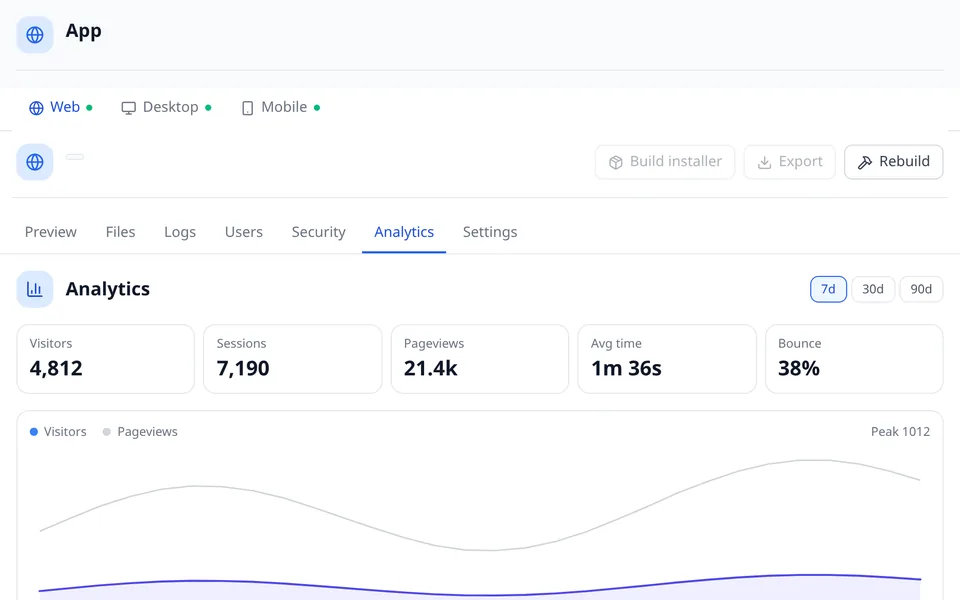 38
38Visitor Analytics
Cookieless traffic figures for every app, portal and site you publish.
Know what is true
04Evidence about your market, your rivals and your own customers.
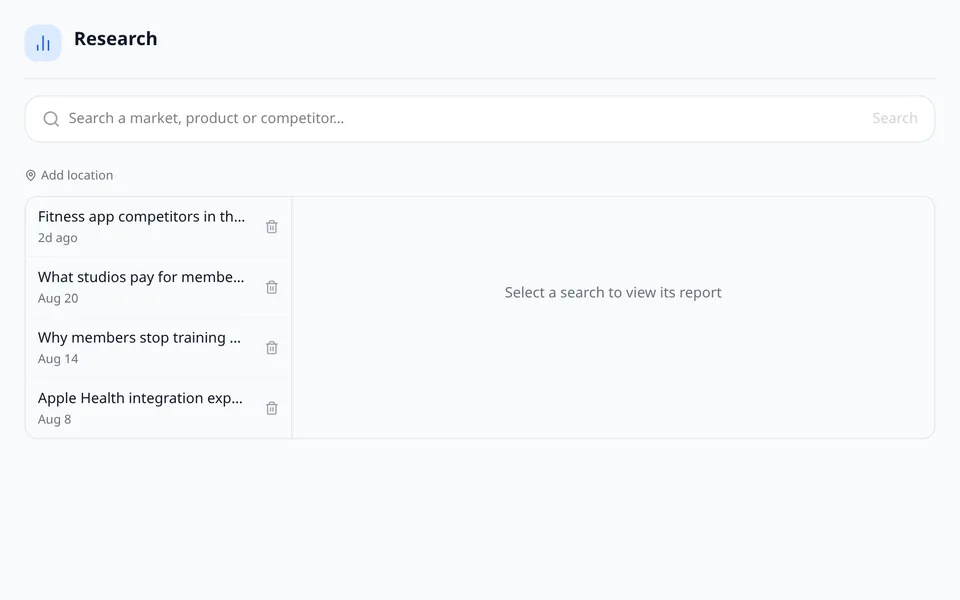 39
39Research
Ask a question about your market and get an answer with the evidence attached.
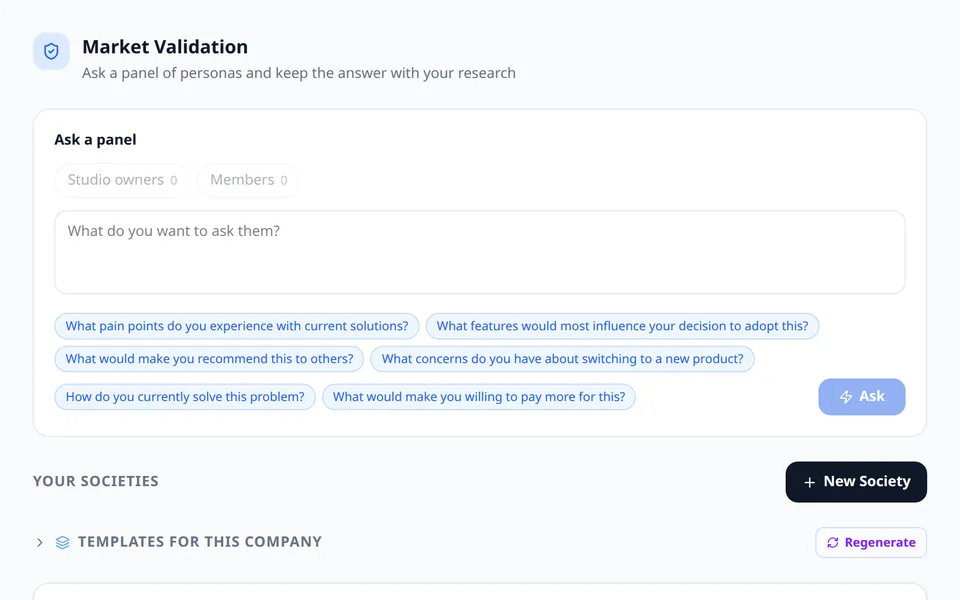 40
40Market Validation
Test the idea against the market before you spend a quarter finding out.
 41
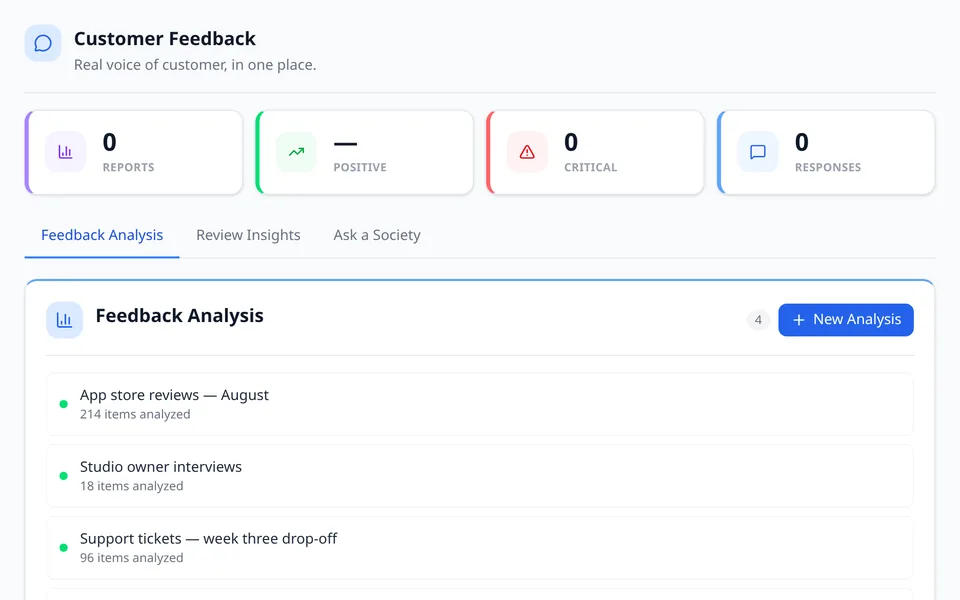
41Customer Feedback
Paste in tickets, reviews and interview notes; get themes, priorities and the quotes that matter.
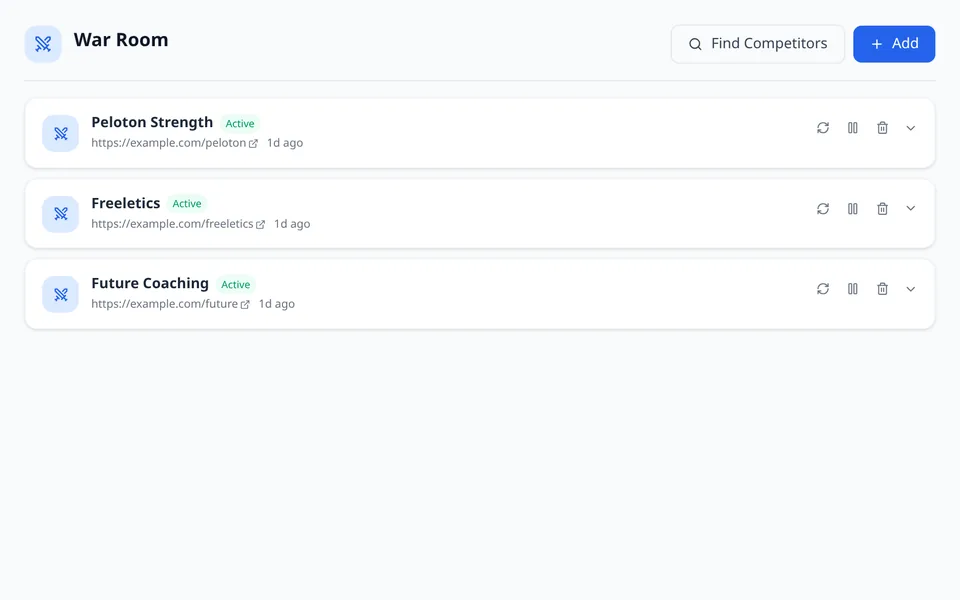 42
42War Room
Put the hard decision in front of the whole team at once and let them argue it out.
Keep it accountable
04What everything cost, who did it, and who is allowed to.
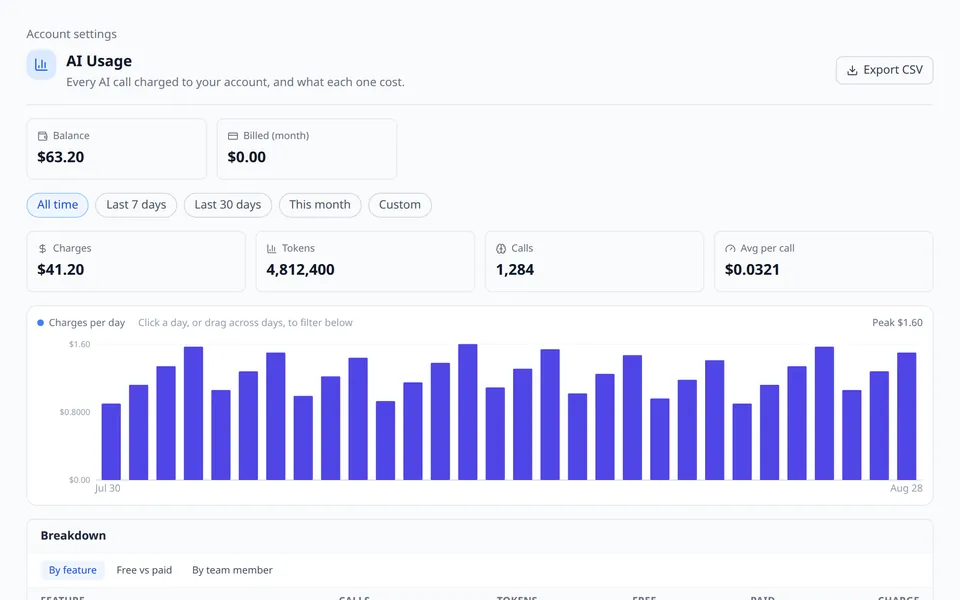 43
43Usage & Spend
What every run cost, broken down by feature, with caps you set before it spends.
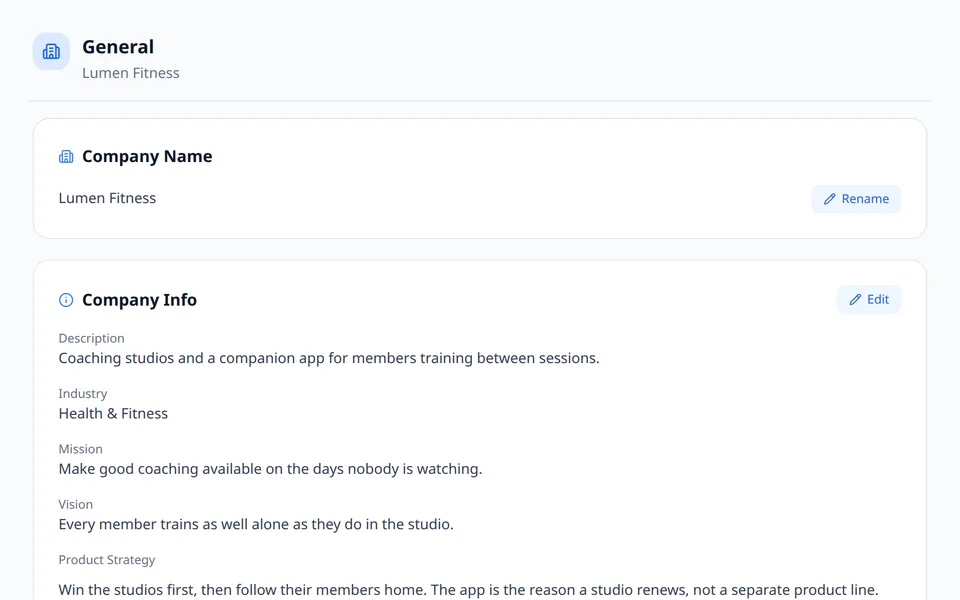 44
44Access & SSO
Members, roles and SAML sign-on, so joining and leaving are one action each — over a tamper-evident record of who did what, exportable for whoever asks.
 45
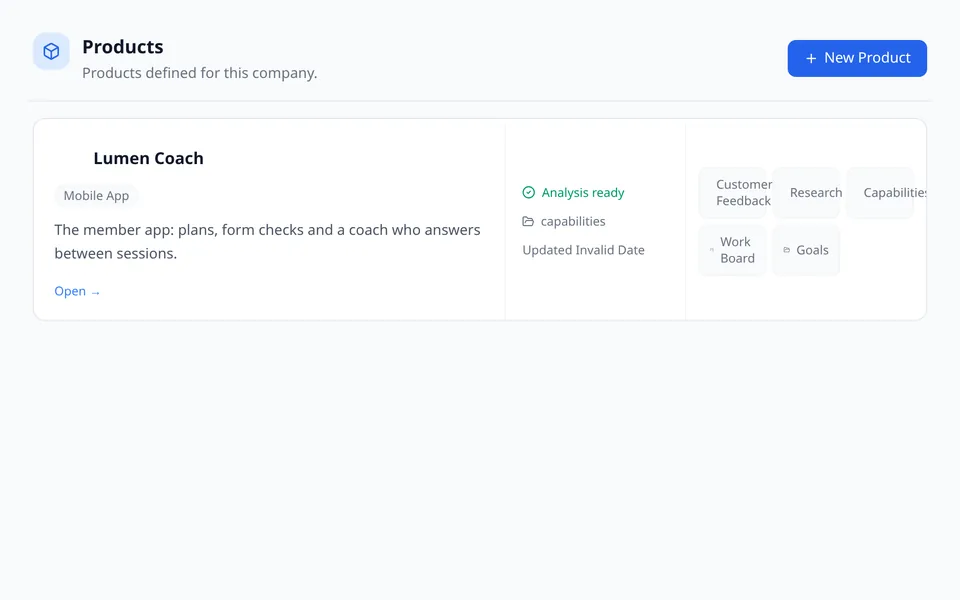
45Products
Every product in the company, each with its own tools switched on or off.
Desktop
Give an employee a real machine to click around on when a task needs one.
You bring the idea. The rest is already here.
Nothing above is an add-on or a higher tier. You pay for the AI work you actually run, and the screens above are the real product.
Get started free